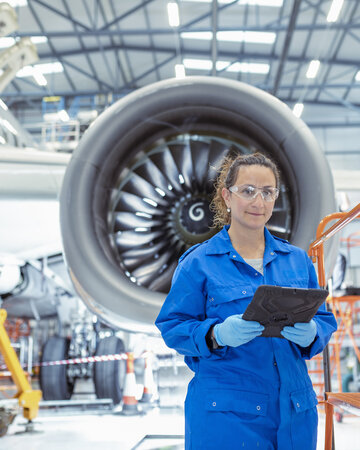
Aerospace in NRW
High-tech for tomorrow’s aerospace
The aerospace industry is one of the most technologically advanced sectors. It involves the development, production and integration of highly complex technologies and systems for aviation and space travel.
The importance of the industry continues to grow. The aerospace sector contributes significantly to Europe’s technological independence and drives innovation in key technologies. These include artificial intelligence, advanced space systems, satellite technologies and innovations in digital and materials technology. Developments in these areas have a far-reaching impact that extends beyond the industry itself and is applied in numerous other sectors.
NRW is one of the most innovative aerospace industry hubs in Europe. Its strong industrial base in mechanical engineering and metalworking provides a foundation for developing and manufacturing sophisticated components and systems. The region also offers a dense, high-performing research ecosystem, particularly in fields such as aerodynamics and lightweight construction.
The close collaboration between companies, research institutions and other stakeholders in NRW strengthens the region’s innovative capacity and accelerates the development of new technologies in various fields. The growing demand for high-tech solutions throughout the entire value chain drives this momentum. Consequently, the aerospace industry in NRW is constantly expanding.
Aero in NRW
With over 400 companies, NRW boasts a diverse and dynamic industrial landscape in the aviation sector spanning the entire value chain. This spectrum ranges from highly specialized component and material suppliers to high-performance aircraft system manufacturers. This diversity fosters close collaboration and creates ideal conditions for innovation and efficient production processes.
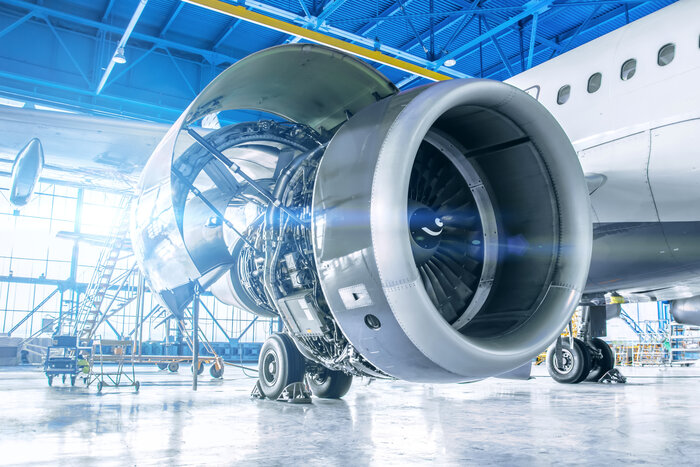
NRW is one of the most important hubs for the aviation industry in Europe. Numerous technology companies with bases in the region are driving forward key future-oriented topics such as lightweight construction, modern engine technologies and sustainable aviation solutions. These companies are making a significant contribution to the further development of global aviation.

Where the future flies: The aviation industry in NRW
The corporate landscape in the aviation sector in NRW is highly diverse. From global corporations to highly specialized small and medium-sized enterprises, they cover a wide range of expertise.
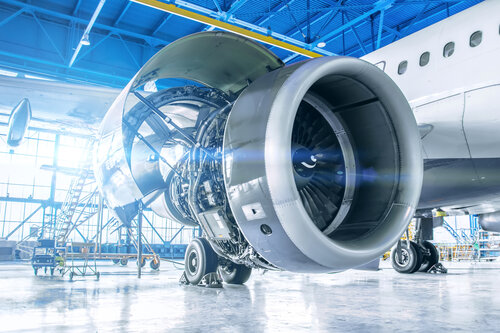
Tital
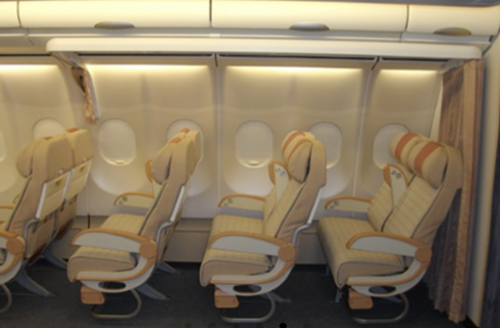
DEMGY EIS
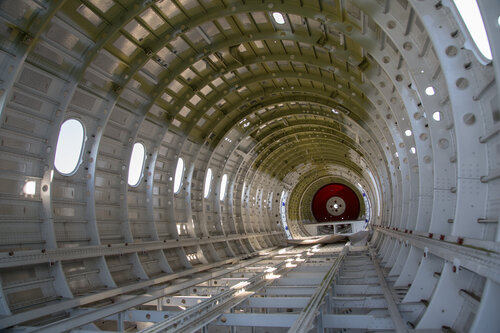
Otto Fuchs
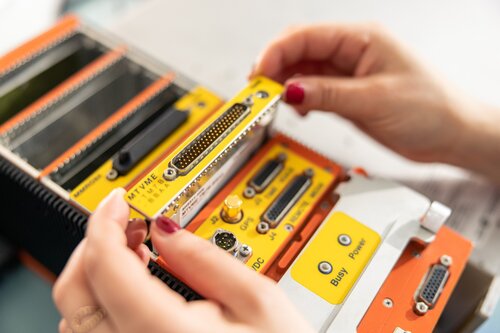
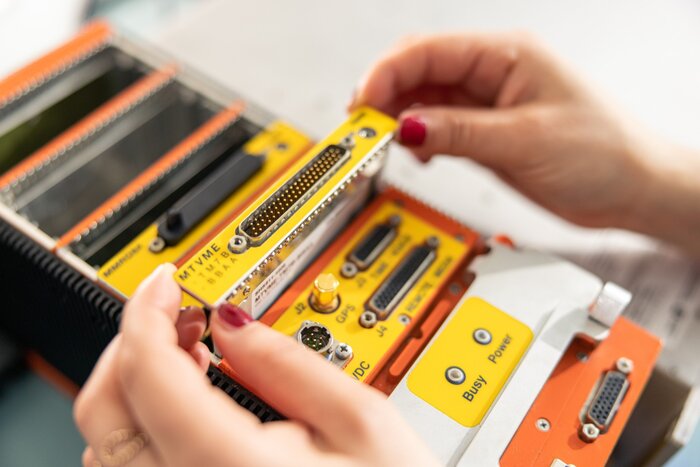
Safran Data Systems
Space in NRW
NRW has established itself as a major hub for the space industry in Europe. Over 130 companies and research institutes comprise a rapidly growing ecosystem with a clear focus on satellite communications, navigation and Earth observation technologies.
Companies and institutions from NRW are also firmly integrated into national and European space strategies. They contribute significantly to programs run by the European Union and the European Space Agency (ESA), such as the Copernicus program for Earth observation and environmental monitoring and the Galileo program, Europe’s own navigation system designed as an alternative to GPS.
High-tech 'made in Europe' in space
Numerous flagship projects in the field of space research demonstrate NRW's innovative strength and technological capabilities. Close collaboration between companies, research institutions and public stakeholders is resulting in groundbreaking solutions in satellite communication, materials research and space medicine.
Resilient and sustainable: new materials for space
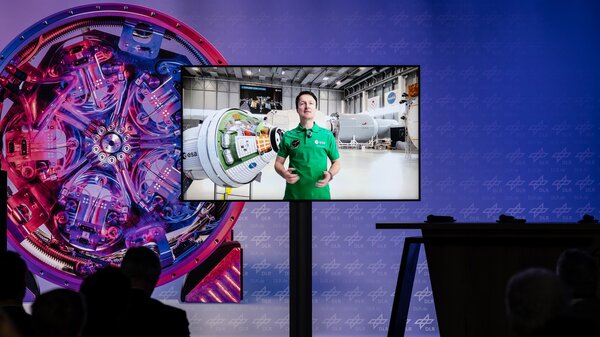
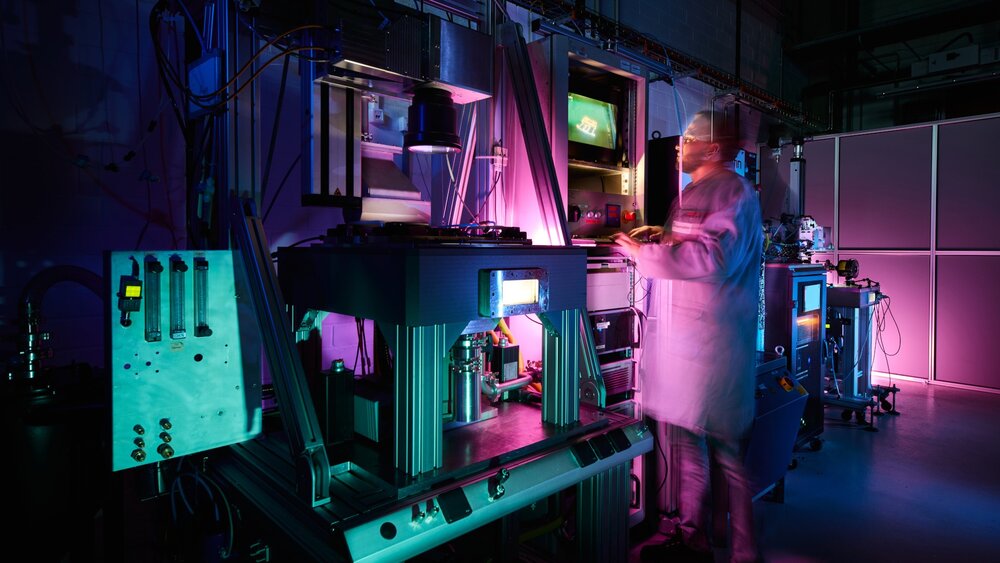
The Institute for "Frontier Materials on Earth and in Space" at the German Aerospace Center (DLR) in Cologne develops materials solutions and manufacturing processes for advanced aerospace applications. It focuses on developing adaptable, resource-efficient materials that can withstand extreme environmental conditions. These materials are developed using predictive simulations, AI-based methods and robot-assisted analytics for use in space and on Earth. Applications include the Copernicus Earth observation program and launch vehicles, such as Ariane 6, which require materials that can function reliably under extreme conditions.
The ISS's successor in the New Space era
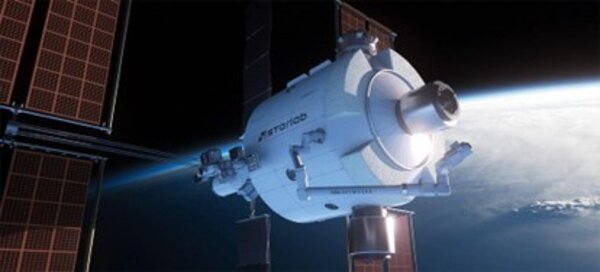
Starlab Space GmbH, the European subsidiary of the joint venture Starlab Space LLC between Airbus and the U.S. company Voyager Technologies, is based in Cologne. It is collaborating on the development of a commercially operated research and industrial platform in orbit. The platform is intended to succeed the International Space Station (ISS), which will be phased out by the end of the decade. Starlab Space is thus entering the new "New Space" era, characterized by commercialization and private company involvement. The modular space station will enable scientific and industrial experiments in microgravity, particularly in life sciences, materials research, pharmaceuticals and biotechnology. This project is a milestone for space research, as the platform will provide research institutions, companies and space agencies worldwide with access to permanent space infrastructure.
Europe's space network: satellite communications of the future
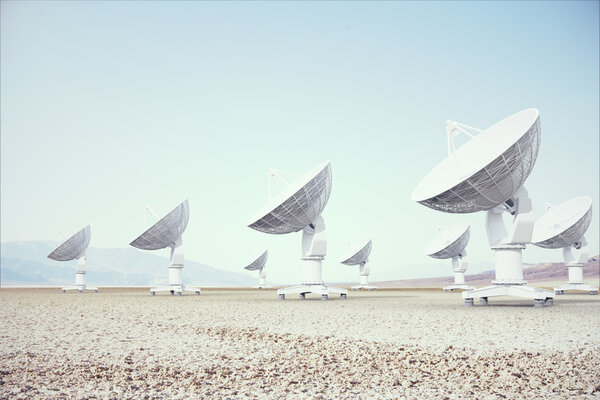
The European Commission’s GOVSATCOM Hub in Cologne is part of the EU’s IRIS2 program. It supports the development of secure and resilient satellite communications within the EU. The hub serves as a central networking hub through which government agencies and public sector organizations can access satellite-based communication services. These services include civil protection and border security. The GOVSATCOM Hub also encompasses SPACEHUB Cologne, an innovation and networking center that unites aerospace activities in NRW. It serves as a platform that connects companies, startups, research institutions and space industry stakeholders, fostering collaboration within the satellite and aerospace industry in NRW.
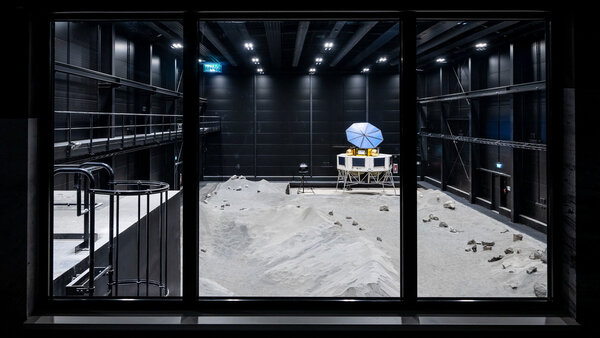
LUNA Hall for astronaut training
The European Center for Lunar Simulation and Astronaut Training, also known as the LUNA Analog Facility, is located in Cologne and is one of the most important space projects in NRW. At the heart of the center is the 700m² LUNA Hall, where conditions on the lunar surface are realistically simulated. There, astronauts can test robots and technologies for future lunar missions, particularly those associated with the Artemis program.
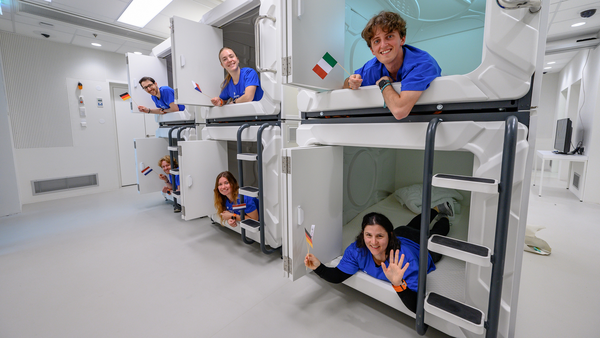
Medicine in space
The envihab Space Medicine Center conducts research on the effects of environmental conditions on humans and possible countermeasures. A medical research facility of the German Aerospace Center (DLR) in Cologne, the center is considered unique worldwide. Its research includes supporting ISS missions, conducting comprehensive bed rest studies to simulate weightlessness and developing countermeasures for space and terrestrial medicine.
Innovative startups in Aero and Space
Startups in the aerospace industry in NRW are supporting the sector with their technological innovations. They are opening up new fields of application and advancing key, forward-looking initiatives. For instance, Auxsys, a robotics startup, is developing full-body exoskeletons for use in space travel and other applications. Other companies, such as Draxon and Sentin, are developing AI-powered software solutions for the aviation industry. These solutions include predictive aircraft maintenance, optimized flight routes and digital mapping of entire aircraft systems using "digital twins." Siren Aerospace, meanwhile, is developing new air mobility concepts, including electric air taxis for urban areas and autonomous aircraft for logistics and rescue missions.
Through targeted investments in "New Space," NRW is fostering an attractive business environment for young companies. A key component of this initiative is the ESA Business Incubation Centers program. The program helps startups with space-related business ideas develop marketable products and business models, particularly in the areas of satellite-based infrastructure and modern space systems. Startups also benefit from a strong network of innovation and business incubators, as well as technology-oriented initiatives in cities such as Aachen, Bochum and Bonn.
Innovative higher education and research landscape strengthens the aerospace sector
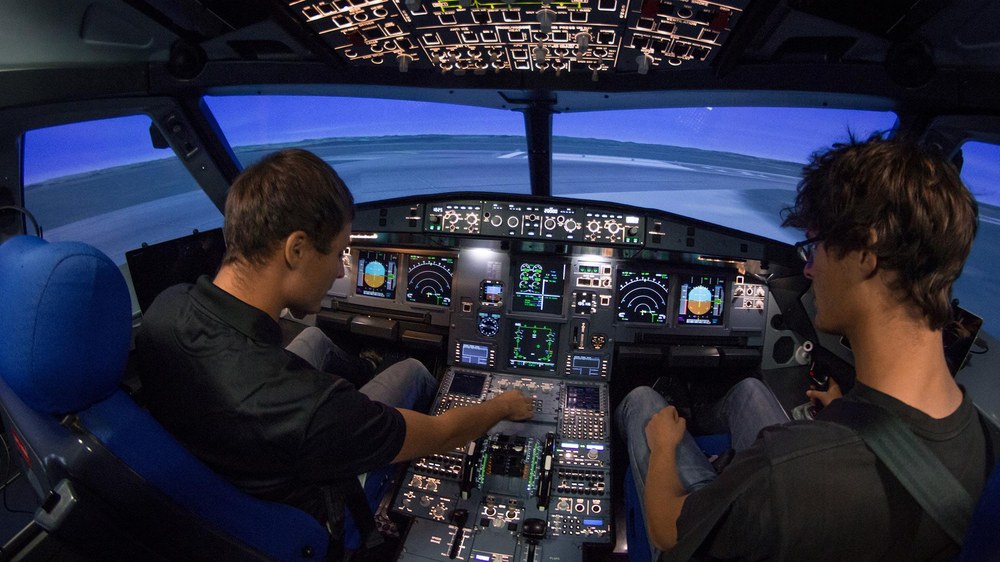
NRW has an exceptional research and higher education landscape that is essential for innovation in the aerospace industry. The region's thematic breadth and scientific excellence are reflected in its diverse research focuses, including robotics, radar, space technology, microelectronics and systems engineering. Additionally, universities and universities of applied sciences offer a wide range of degree programs in fields such as aerospace engineering, safety engineering, mechanical engineering and naval architecture.
Aero
Space
Clusters & networks
Funding programs
Photo credits
The photographic material was kindly provided by:
© NRW.Global Business GmbH
© DLR
© Fraunhofer ILT / Volker Lannert
© James Thew, Adobe Stock
© Who is Danny, Adobe Stock
© aapsky, Adobe Stock
© Aerospace.nrw
© DEMGY Eis
© Mario Hagen, Shutterstock
© Alex Marc, Safran
© Starlab Space
Welcome to NRW!
The state's innovation topics unite fields with significant growth potential. They underline how business, science and research are developing joint solutions for tomorrow's challenges.
Learn more about the most important innovation topics in NRW:
In 4 easy steps to North Rhine-Westphalia | NRW
We support you in your successful settlement in NRW with our international offices abroad and our headquarters in Düsseldorf. We are your partner and accompany the project in confidence – from the first contact to the successful settlement and beyond.
 1
1
 2
2
 3
3
 4
4